 EN
EN

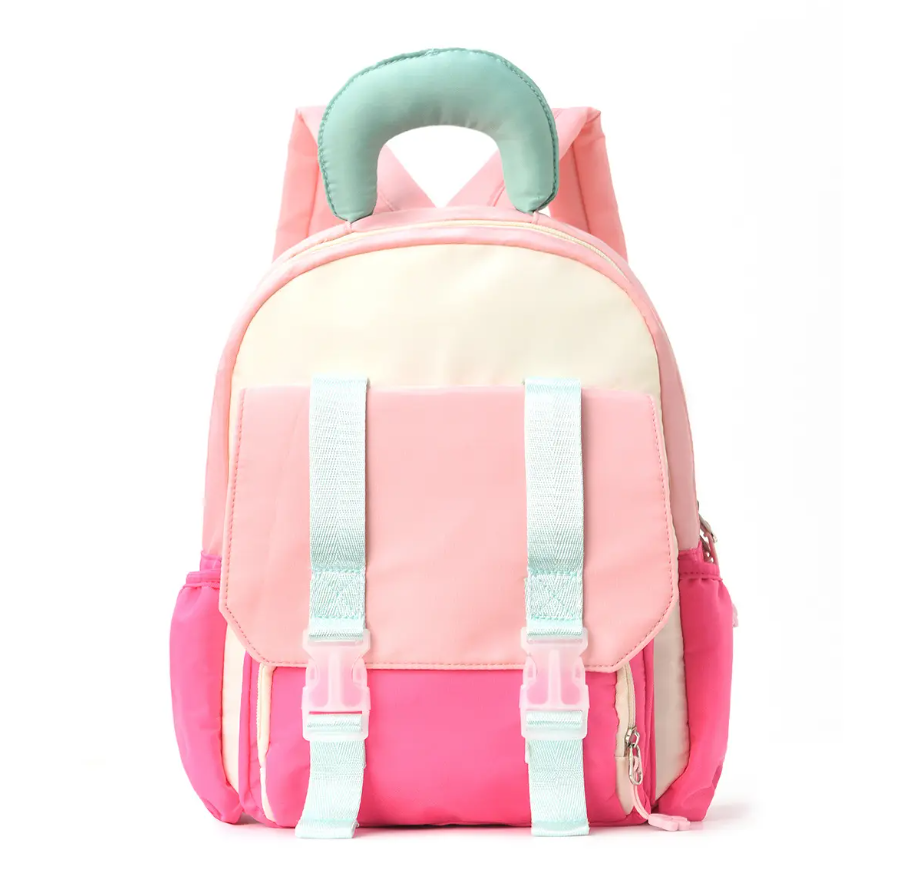
The Backpack as a Daily Companion and Identity Signal
A backpack is rarely a silent object. It rides on a person's back through crowded subway cars, sits on the empty chair beside them in a café, and hangs from a hook in the office or classroom where colleagues and peers pass by all day. It is one of the most publicly visible accessories a person owns, yet it is often purchased as if its only job is to hold things. The reality is that a backpack communicates before its wearer speaks. The clean, unbranded silhouette of a minimalist pack suggests a certain sensibility. The worn canvas and leather straps of a heritage style tell a different story. The sleek, molded panels of a tech-forward design signal yet another set of values. Consumers have moved past the era when a backpack was simply a utilitarian container purchased at the last minute before a school year or a trip. It is now a considered purchase that sits at the intersection of function, comfort, and personal aesthetic. A full size backpack, the kind that carries a laptop, a change of clothes, a book, and the scattered essentials of a day, is with its owner for hours at a time. The way it looks and feels matters in a way that is closer to choosing a jacket than choosing a piece of luggage. This shift in consumer expectation is what makes aesthetic diversity in a full size backpack collection not a nice-to-have but a commercial necessity for brands and retailers.
Minimalist and Modern: The Appeal of Clean Silhouettes
The minimalist backpack aesthetic has maintained its relevance across fashion cycles because it operates on a principle of reduction rather than addition. The design language is one of restraint. The silhouette is typically structured but not rigid, holding a clean shape without appearing boxy or over-engineered. External pockets are either eliminated entirely or reduced to a single, discreet zippered compartment that does not interrupt the visual flow of the bag. The material palette leans toward matte-finish polyesters, densely woven nylons, and occasionally full-grain leathers in black, charcoal, taupe, and cream. Hardware is either concealed or finished in a consistent, subdued tone that blends with the fabric rather than contrasting against it. The aesthetic communicates competence, intentionality, and a quiet confidence that appeals to creative professionals, architects, designers, and anyone whose personal style favors understatement over loud branding. A well-executed minimalist backpack does not announce itself. It earns attention through the precision of its stitching, the quality of its zipper action, and the way its proportions balance against the wearer's frame. From a wholesale perspective, this category offers the advantage of broad demographic appeal. A thoughtfully designed minimalist full size backpack crosses age boundaries and dress codes, looking equally appropriate on a university student, a gallery owner, and a software developer heading into a meeting.
Vintage, Heritage, and the Warmth of Nostalgic Design
If minimalism is about looking forward, the vintage aesthetic is about looking back with affection and selectivity. Heritage-inspired backpacks draw their design vocabulary from military rucksacks, alpine climbing packs, and the canvas and leather school bags of the early twentieth century. The materials tell much of the story. Cotton canvas, often waxed or treated for water resistance, provides a tactile warmth that synthetic fabrics rarely achieve. Leather is used not as a decorative accent but as a structural element, on the base, the strap anchors, the buckle straps, and the flap closures. The hardware is deliberately visible, often in antiqued brass or gunmetal finishes that develop a patina with use. The silhouette is softer than a minimalist pack, with rounded flap tops, external drawstring closures, and side pockets that bulge gently when filled. The color spectrum draws from earthy, muted tones that feel rooted rather than trendy. These are backpacks that look better after a year of daily use than they did on the day they were purchased. The aesthetic resonates with consumers who value craftsmanship, storytelling, and a sense of authenticity, whether or not they are actually hiking through the mountains or exploring a new city on foot. For a brand buyer, the heritage category offers strong potential for building a loyal customer base. A vintage-styled backpack is not a disposable fashion item. It is a product that customers keep, recommend, and repurchase in different colorways as gifts.
Tech-Forward, Sporty, and the Performance Aesthetic
The tech-forward aesthetic speaks a different design language entirely, one rooted in performance, protection, and digital connectivity. These backpacks are engineered as mobile workstations for people whose daily carry includes a laptop, a tablet, a power bank, charging cables, and perhaps a pair of headphones that cost more than the bag itself. The silhouette is often streamlined and slightly angular, with molded or padded panels that suggest aerodynamic consideration and impact protection. Materials include water-resistant ripstop nylons, thermoplastic polyurethane coated fabrics, and high-density foam padding visible through strategic cutouts or contrasting panel lines. The color palette ranges from muted technical tones, charcoal, slate, midnight blue, to high-visibility accents in neon orange or electric green used sparingly on zipper pulls, interior linings, or reflective trim. Functional details become aesthetic elements. A USB charging port integrated into the side panel, a luggage pass-through strap on the back, and a padded, suspended laptop sleeve accessible from a side zipper are not hidden away but celebrated as design features. This aesthetic appeals to urban commuters, frequent travelers, and gadget enthusiasts who view their backpack as an extension of their digital ecosystem. For wholesale buyers, the tech-forward category aligns with the growing market for smart accessories and appeals to a demographic that researches specifications before purchase and values thoughtful engineering as highly as visual design.
Artistic, Eclectic, and the Power of Pattern and Print
At the far end of the aesthetic spectrum from minimalism sits a category that embraces color, texture, and visual storytelling with unapologetic energy. Artistic and eclectic backpacks use the full size canvas as a surface for expression. Bold geometric prints, hand-drawn illustrations, embroidered floral motifs, woven tapestry panels, and patchwork constructions transform the backpack from a background accessory into the focal point of an outfit. The design references are wide-ranging. Some draw from folk art traditions and indigenous textile patterns. Others channel street art, pop culture, or the visual language of music festival culture. The materials and techniques are equally varied, including printed polyester, embroidered canvas, beaded embellishments, and mixed-media combinations that contrast textures for visual depth. The silhouette is often kept relatively simple to allow the surface design to dominate, though some designs push further with asymmetrical shapes, unconventional pocket placements, or interchangeable patches and pins that allow the user to customize the bag over time. This aesthetic resonates with younger consumers, students, artists, and anyone who uses personal style as a primary mode of self-expression. For a brand or retailer, the eclectic category offers differentiation in a crowded market. A distinctive print or an exclusive artist collaboration cannot be easily replicated by a competitor selling generic solid-color packs. It creates a visual identity that customers associate uniquely with the brand, driving word-of-mouth recommendation and social media visibility.
Sourcing Breadth and the Wholesale Advantage of Style Variety
The ability to offer full size backpacks across the full aesthetic spectrum, from minimalist to heritage to tech-forward to artistic, is not simply a matter of stocking more products. It is a reflection of the supply chain and manufacturing capability behind the brand. Producing a clean, minimalist pack with flawless stitching and invisible hardware requires a different set of factory skills than producing a vintage-styled canvas pack with leather trim and brass buckles, which in turn requires different expertise than manufacturing a tech-forward pack with molded panels and integrated electronics pass-throughs. A factory that can execute across these categories demonstrates a depth of material sourcing, pattern making, and quality control that a single-style workshop cannot match. Backpack Source Factory operates with this breadth of capability, offering full size backpacks in a range of styles that meet the aesthetic expectations of diverse consumer segments. For wholesale buyers and brand owners, this variety delivers a practical advantage. A single sourcing relationship covers multiple product categories, simplifying logistics, ensuring consistent quality standards, and allowing the buyer to curate a cohesive collection that tells a complete brand story across different aesthetic sensibilities. A customer who walks into a retail space and sees a minimalist pack next to a vintage canvas pack next to a bold printed design understands that the brand has a point of view, not just a product. That perception of curatorial intentionality builds trust, encourages browsing, and increases the likelihood that the customer will find something that feels like it was made for them.
Table of Contents
- The Backpack as a Daily Companion and Identity Signal
- Minimalist and Modern: The Appeal of Clean Silhouettes
- Vintage, Heritage, and the Warmth of Nostalgic Design
- Tech-Forward, Sporty, and the Performance Aesthetic
- Artistic, Eclectic, and the Power of Pattern and Print
- Sourcing Breadth and the Wholesale Advantage of Style Variety