 EN
EN

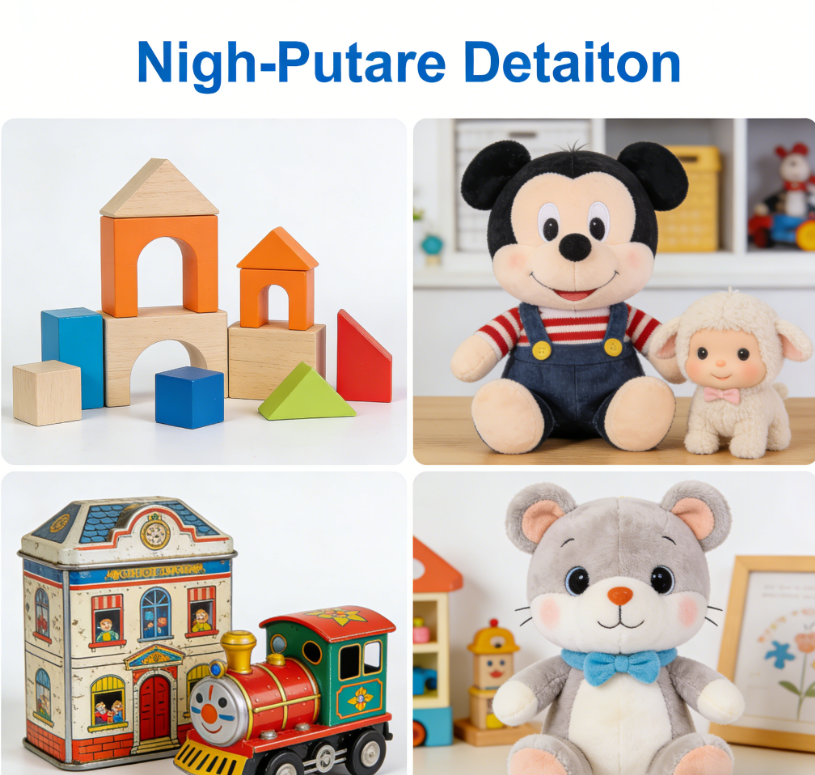
Safe toys are important because they allow for positive growth during play. The developmental skills that are exercised during play are dependent on the type of toy. Children build memory exercises, test their creativity, and develop their problem solving skills every time they play, and as a result they learn, they explore, and they grow. The construction and the type of materials that are used to build a toy can either enhance the experience of play or cause the child to experience worry during play.
Safe toys are for more than just avoiding immediate risks. It includes the materials, the design, the construction, and also how the toy may be used over time. The toys that promote positive growth in children are the ones that are able to successfully and safely stimulate a child’s imagination while also helping the child to develop even more skills. For this reason, it is important for parents, caregivers, and anyone who works with children to understand the elements that make a toy safe.
Materials matter for safety
The materials that toys are made of can be the cause of positive or negative growth. The materials that toys are made of must be able to withstand the constant and daily use that children will subject them to. It is also important to note that the materials must be non toxic as children will use the toys and even put them in their mouths.
When selecting plush toys, the fabric should be soft and tightly woven to prevent the stuffing from coming out. Kid’s toy stuffing must be hypoallergenic and dust mite resistant. Toys should be plastic, but not the type that contains phthalates, BPA, or other harmful chemicals. Painted or coated toys that are frequently handled should have non toxic, lead free paint.
Reliable manufacturers that prioritize safety will provide the correct materials to comply with safety standards. If looking to customize or purchase toys in bulk, the first step should be assuring the materials have proper certifications. Kid’s products, such as backpacks, need the same quality materials as other designed products.
Design and construction prevent accidents
Many safety problems can be addressed through proper construction and design. Design can be unappealing, but be made to be very safe. Toys can have sharp edges, small parts, or weak construction, and this can lead to big problems. To design a toy with the safety of children in mind, the toy must be made to be very safe.
Check for securely attached parts. The buttons, eyes on stuffed animals, or small components should be attached so that they cannot be removed by a child. Reinforced seams are also a must on toys that will be hugged, thrown, or carried around. For pull toys or toys with moving parts, ensure that the mechanisms are smooth with no chance of pinching little fingers.
When a toy is meant for outdoor use or active play, construction quality is especially important. Toys that break easily should become a safety concern. Sharp edges or small parts can create choking hazards. Good construction means the toy can handle drops, tugs, and rough play without falling apart.
Age appropriate design is essential
This is also true for age appropriate design. Not every toy is right for every child. The recommendations on toy packaging are based on safety and developmental stages.
Toy design for infants and toddlers must consider small parts that could become choking hazards. It is also important that the toy is big enough to ensure a child cannot put the whole toy in their mouth. Soft edges and lightweight materials are also important for this age group.
As children mature, toys can offer more challenges. In addition to more intricate designs, older children can manage toys that require more dexterity, and those that contain smaller pieces. Even for older children, however, construction that is sturdy, and finishes that are non toxic are still important.
Toys safety hinges largely on the intended child. A toy that is suited for a five year old may pose a risk to a two year old. When the toy is appropriate for the child’s age and abilities, it minimizes the chances of accidents and increases the fun of the activity.
Durability means long term safety
For safety to last, a toy must be durable. It is not just annoying when a toy is not built to last, it can become a safety issue. Dangerous loose pieces, stuffing, and sharp edges pose hazards that did not exist when the toy was new.
The quality of materials and construction for toys is what defines durability. Strong fasteners, and double stitched seams are what lead to the construction standing the test of time. The materials and construction for toys cleaned on a regular basis need to be durable enough to withstand washing.
Buying a quality toy means you are purchasing something that will not easily break. More importantly, good toys are less likely to become dangerous as they wear and tear. This is very important for toys that are likely to become favorites, toys that are taken everywhere and get the most love.
How to check for safety at home
Even the most carefully selected toys still need safety checks at home. Regular safety checks can identify safety problems before they become safety issues.
Check for loose seams, threads, and attachments, including doll eyes and buttons. Check for sharp edges on toys that might have formed as a result of wear. For battery operated toys, ensure that the battery compartment is secured and closed and cannot be opened by a child.
Wipe down toys that can be washed as per the manufacturer’s instructions. If a toy is not washable, use a toy cleaner to clean it. This will keep it clean and help you find any signs of wear on the toy.
What to look for in a toy supplier
When purchasing toys for schools, daycares, or retail businesses, the supplier’s source will ensure the supplier’s transparency regarding the materials used and the safety testing conducted for the toys, as well as the supplier’s processes for maintaining order consistency.
Manufacturers who prioritize safety and quality assurance of children’s products understand children’s safety, and the same quality control associated with durable and safe backpacks should also apply to toys. It is important to partner with suppliers who have their own controls and production technologies, as quality control at each stage of production reduces the risk of defective products.
If you are looking to buy custom toys or to make bulk orders, it is advisable to partner with a supplier who allows for sampling. This is important as samples will determine the quality, construction, and safety of the product before placing an actual order. The website mentions a sample making step in their order processing flow, which is a good sign that they take quality seriously.
Safe toys support healthy growth
When children feel secure, they are more inclined to engage in play and more fully immerse themselves in the developmental process of studying their environment. Safe toys enable children to practice important developmental skills—physically, cognitively, and emotionally—without the risk of injury from sharp edges or small toy pieces. Safe toys also support cognitive development by allowing children to focus on problem solving skills without the added stress of knowing a toy could break. Safe toys encourage the development of attachment to the toy without the fear of losing it or experiencing injury due to it.
Conclusion
Safe toys and the growth of children go hand in hand. Safe, developmentally appropriate toys provide children with an environment where they can focus on play and learning without the risk of injury. Toys, and the way they are made, should encourage the sense of exploration. As parents, educators, and consumers, we must consider the design and materials of the toys we select and support the growth of confident play through safe toys.