 EN
EN

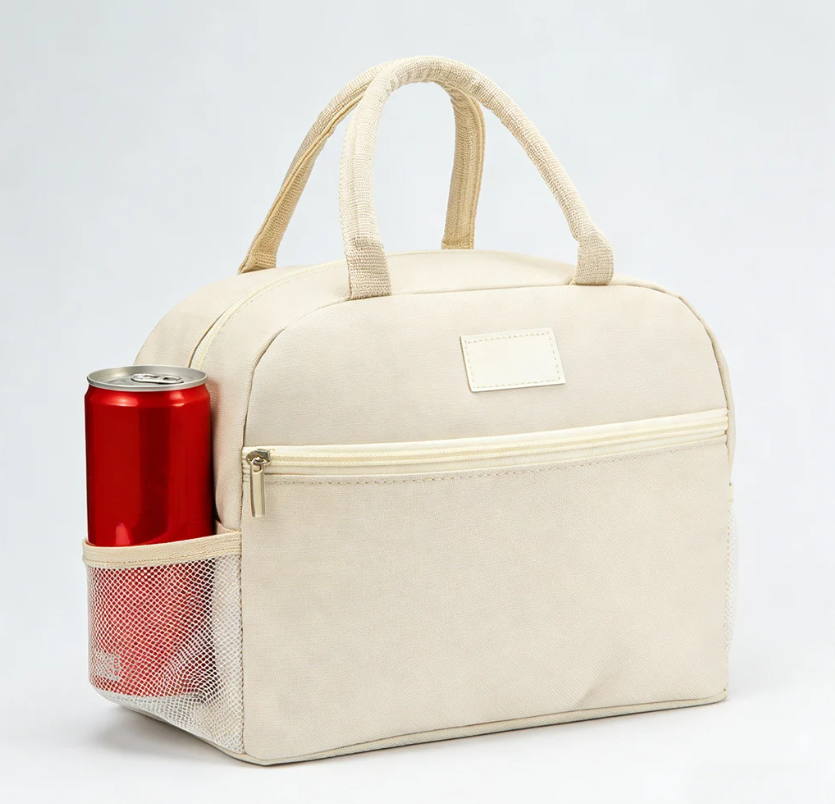
Real‑world sourcing trouble caused by unsuitable lunch bag lining
Many retail buyers focus heavily on outer print patterns and appearance when selecting lunch bags, while overlooking inner lining quality. One real retail sourcing case shows the negative consequences of this habit. A consumer brand ordered large batches of children’s lunch bags at competitive price points. The outer fabric featured bright popular prints that looked perfect in sample photos. But the low‑cost inner lining began to delaminate after short‑term consumer use. Juice and warm soup leaked through weakened seams and material gaps. The brand received high volumes of product returns and negative online reviews. This practical experience proves leak‑proof lunch bag performance relies mainly on inner material and construction craft, not attractive exterior design. Nice visual effects cannot prevent liquid spills in daily school or office scenarios.
Core lining materials delivering daily leak‑proof performance
Several lining materials dominate the reusable lunch‑bag market, each bringing distinct leak‑proof and safety characteristics. Food‑grade PEVA stands as one widely adopted option for everyday lunch bags. This material offers decent liquid blocking capacity, stays flexible at room temperature and contains no harmful plasticizers. It works well for cold food, fruit juice and light‑weight lunch‑box containers. TPU represents higher‑grade lining material with outstanding tensile strength and stable leak resistance. TPU tolerates wider temperature ranges and resists cracking even after repeated folding. Coated polyester fabric provides balanced cost performance for mid‑range product lines. Cheap PVC material can block liquid in the short term, yet it carries well‑documented safety risks for food contact and tends to turn brittle with frequent bending. It is important to understand no lining material can deliver full leak protection if seams are poorly handled. Even premium‑grade liners will spill liquid when stitching gaps remain un‑sealed.
Outer fabric and construction details affecting real‑world leak resistance
Inner lining forms the key defensive layer, yet outer fabric and manufacturing techniques still shape long‑term leak‑proof outcomes. Ordinary sewing processes leave tiny pinholes across stitch lines. Those micro openings become potential leakage points when liquid presses against bag seams. Advanced lunch‑bag factories adopt hot press sealing craft to fuse lining layers together and eliminate pinhole risks. Composite laminated textiles bond outer textile shell with inner barrier lining into one unified material. This integrated structure prevents liquid from travelling between separate fabric layers. Thicker outer woven fabrics improve physical durability and reduce sharp object punctures that could damage the leak‑proof inner film. Thin lightweight fabrics gain leak resistance only when paired with robust laminated barrier layers.
Industry expert guidance and global food‑contact material requirements
Textile and consumer‑goods specialists regularly remind brand developers not to trust leak‑proof marketing slogans without supporting verification. Reusable lunch bags belong to food‑adjacent articles that must satisfy global material safety rules. REACH regulations in Europe and FDA food‑contact guidance in North America set clear limits on harmful chemical substances for materials touching food containers. Many low‑cost items advertise leak‑proof function but skip independent third‑party lab assessment. Products may pass quick visual checks yet develop leaks after repeated folding, cleaning and daily wear. Formal lab test reports covering both barrier performance and chemical safety serve as objective proof of real‑world usability. Promotional descriptions cannot replace standardized material evaluation for consumer food‑carrying products.
Practical procurement advice for brand buyers and product developers
Procurement and product development teams can follow clear practical principles for lunch‑bag sourcing. Always prioritize inner lining quality and sealing craft over outer pattern aesthetics. Run simple practical leak tests on physical samples before approving mass‑volume orders. Pour water or simulated fruit‑juice liquid into sample bags and observe seam performance under normal carrying pressure. Match material grades to target user groups. School‑going children require tear‑resistant flexible liners that survive rough daily handling. Office‑oriented lunch bags can adopt balanced mid‑range materials. Balance unit cost against expected product service life and potential return‑related losses. Saving small amounts on raw‑material expense may trigger heavy financial damage from consumer complaints and returned goods.
Manufacturing strengths behind reliable custom lunch‑bag solutions
Consistent leak‑proof lunch‑bag products require mature manufacturing capacity covering material selection, craft control and multi‑step quality checks. Arrow Crafts possesses more than twenty years of professional luggage and bag‑making experience supported by two large‑scale production bases. The factory delivers full‑chain services from original design research and development, sample fabrication, mass manufacturing through to strict multi‑stage quality inspection. It handles diverse custom lunch‑bag projects for global retail clients. Every custom project follows international consumer‑product safety standards, helping worldwide partners launch dependable daily‑use lunch‑bag lines.
Table of Contents
- Real‑world sourcing trouble caused by unsuitable lunch bag lining
- Core lining materials delivering daily leak‑proof performance
- Outer fabric and construction details affecting real‑world leak resistance
- Industry expert guidance and global food‑contact material requirements
- Practical procurement advice for brand buyers and product developers
- Manufacturing strengths behind reliable custom lunch‑bag solutions