 EN
EN

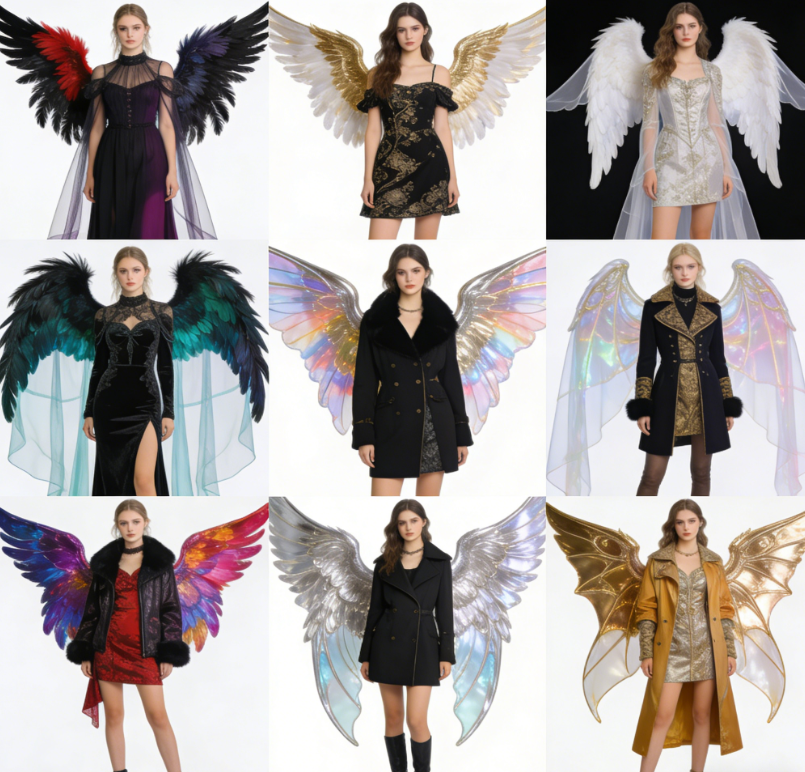
Start with the theme, but let comfort lead the final decision
A themed party invitation sparks immediate excitement, and the mind races to the most elaborate costume on Pinterest. But anyone who has worn fairy wings for six hours straight knows that a stunning look means nothing if the shoulder straps dig in, the fabric does not breathe, or the wings snag on every doorway. The first filter should always be the theme: a woodland fairy gathering demands earthy tones and organic shapes, while a celestial masquerade calls for metallic accents and structured silhouettes. Once the aesthetic direction is clear, shift focus to how the set feels on the body. Adjustable elastic straps distribute weight across the shoulders, while a reinforced back panel prevents the wings from drooping after an hour. Fabrics like soft tulle, lightweight satin, or cotton blend bodices keep the wearer cool on a packed dance floor. A costume that looks incredible on a hanger but leaves the wearer fidgeting all night is not a perfect choice. It is a regret in disguise.
Wing engineering that separates a showstopper from a single use prop
Not all costume wings are created equal. The difference between a pair that draws gasps and one that ends up in the trash by midnight lies in the internal structure. High quality wings use a flexible yet resilient wire frame that holds its shape through hugs, dances, and accidental bumps. The fabric covering should be taut but not stretched to the point of tearing, with edges cleanly finished to prevent fraying. The density of decorative elements matters too. Feathers or glitter mesh layered too sparsely look patchy under event lighting, while overloading adds weight that drags the wings downward. The connection point where the wings attach to the costume or harness bears the most stress. A well engineered set reinforces this junction with reinforced stitching or a locking clip system rather than a single line of thread. These structural decisions happen invisibly, but they determine whether the wings float gracefully or collapse awkwardly.
A costume party disaster that taught me the value of secure attachments
Two years ago at a large comic convention afterparty, a friend wore an elaborate dark angel costume with massive feathered wings she had ordered from an unknown seller. The wings looked majestic in the hotel room. Thirty minutes into the event, while she was posing for a group photo, the left wing strap snapped clean off. The wing hit the floor, the sudden weight imbalance tore the back of her corset top, and she spent the rest of the night holding her costume together with safety pins borrowed from strangers. That disaster came down to one weak point: the attachment hardware was thin plastic that had no business supporting a set of adult sized wings. Since then, anyone in our group who buys costume sets checks for metal D rings, double stitched webbing, and a secondary safety tether before committing. A costume is only as strong as its smallest connector.
What event stylists and costume rental shops look for in a set
Event stylists who dress performers and rental shops that send out hundreds of costumes a season have a brutally practical checklist. Their number one question is whether the set can survive multiple wears and still look fresh. They check if the wings can be wiped down with a damp cloth without colors bleeding. They test if the tutu or skirt layers bounce back after being folded in a storage bin. They look for headpieces with smooth, covered ends that will not scratch a performer’s scalp. Another priority is adjustability. A set that fits only a narrow size range limits bookings and triggers returns. Velcro closures with generous overlap, elastic waistbands, and harness straps with multiple buckle positions make a costume work across body types. These veterans of the costume world know that the true test of a set is not how it photographs on a model, but how it performs on the tenth rental.
Safety, sizing, and the details that keep the party fun for kids
When the wings and costume are for a child, the selection criteria shift even further toward safety. The United States Consumer Product Safety Commission sets guidelines for children’s dress up apparel, including requirements that fabrics be flame resistant or made of inherently non flammable materials. Wing frames should be made of flexible wire that bends rather than snaps into sharp points if a child falls. Headbands with attached antennae or horns need blunt, padded tips. Drawstrings and ties around the neck are a known strangulation hazard and should be avoided entirely. Sizing is also a safety issue. Wings that are too large for a toddler tip them over backward, while a costume that drags on the floor becomes a trip hazard. Thoughtful children’s sets use shorter wing spans, soft velcro closures instead of stiff metal clasps, and breathable fabrics that prevent overheating. These design choices let kids focus entirely on their magical transformation instead of on discomfort.
Manufacturing quality that lets brands deliver magic at scale
For brands that sell costume and wings sets, every design detail discussed above becomes a supply chain challenge when orders scale to thousands of units. Consistent color matching across fabric dye lots, uniform feather density, and reliable stress testing on attachment points require a manufacturer that treats costume production as precision engineering rather than simple cut and sew. Tongze brings this disciplined approach to the costume and accessories category. With integrated capabilities spanning pattern development, material sourcing, hardware testing, and final assembly, Tongze ensures that every set leaving the factory meets the safety, durability, and visual standards that partygoers and parents expect. For a brand building its reputation in the costume market, a manufacturing partner like Tongze is the difference between a one hit viral product and a catalog that customers return to season after season.
Table of Contents
- Start with the theme, but let comfort lead the final decision
- Wing engineering that separates a showstopper from a single use prop
- A costume party disaster that taught me the value of secure attachments
- What event stylists and costume rental shops look for in a set
- Safety, sizing, and the details that keep the party fun for kids
- Manufacturing quality that lets brands deliver magic at scale