 EN
EN

Building brains through play, not screens
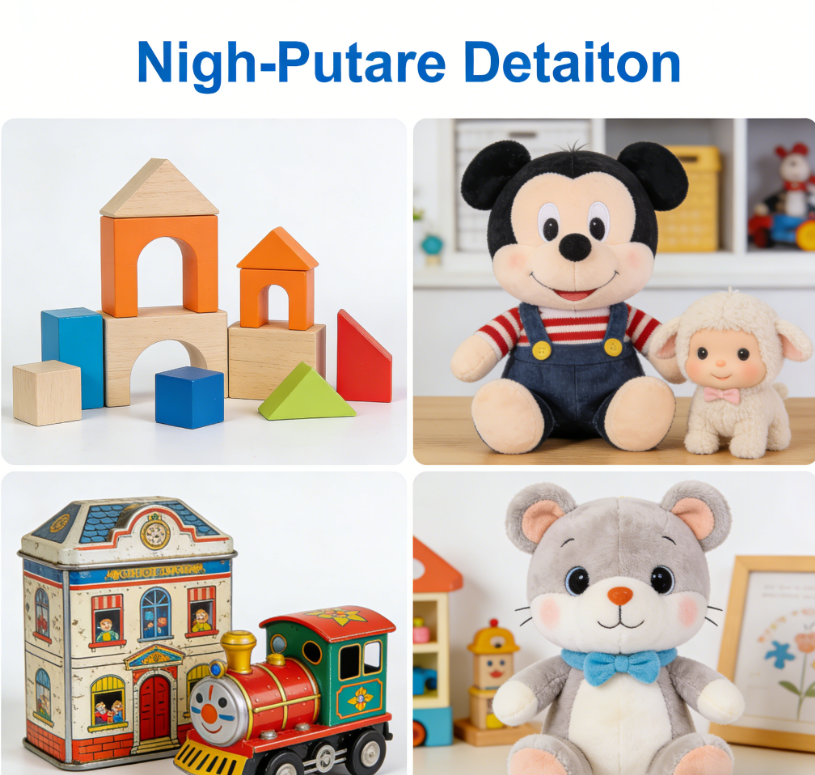
A child’s brain builds more than a million new neural connections every second during the first three years of life. Those connections are not formed by passive screen time; they are forged through hands on exploration, trial and error, and sensory feedback. Swiss psychologist Jean Piaget described young children as little scientists who construct knowledge by interacting with objects. An educational toy, whether it is a set of wooden blocks, a shape sorter, or a simple counting frame, invites exactly this kind of active experimentation. When a toddler stacks rings on a post in the wrong order and watches them tumble, her brain is literally wiring the foundations of logic, sequencing, and cause and effect. These early cognitive circuits become the scaffolding for later academic skills. A living room with a basket of thoughtfully chosen toys is not a mess. It is a neural gymnasium.
Fine motor foundations that pencils alone cannot build
Long before a child grips a pencil to write her name, she needs strong small muscle groups in her hands and fingers. Educational toys like lacing beads, snap together blocks, and pegboards isolate these fine motor movements in ways that everyday life often misses. Occupational therapists frequently point out that a child who struggles to button a coat or cut with scissors in kindergarten often missed early opportunities to pinch, pull, and twist with purpose. Toys that require a pincer grasp, such as picking up puzzle pieces with a small knob, directly strengthen the same muscles used for handwriting. This is not just motor exercise. It is preparation for school readiness. A toy that looks simple to an adult is often carefully engineered to offer just the right level of resistance and size for a two year old’s fingers.
A real life observation: how a puzzle set taught my niece to handle frustration
My niece received a 24 piece farm animal puzzle for her third birthday. At first, she dumped the pieces out, failed to fit a cow into the wrong space, and burst into tears. Her mother sat beside her without fixing the puzzle. She just said, “Try a different piece. You can do this.” Over the next few weeks, I watched that same puzzle become a ritual. She learned to sort the edge pieces first, to rotate a piece when it did not fit, and to take a deep breath before saying “I need help” instead of screaming. That puzzle did not just teach her animal names. It taught her that frustration is a moment to pause, not a reason to quit. Educational toys at their best do this: they build the emotional regulation and persistence that classrooms demand but curriculums rarely teach directly.
What pediatricians and developmental experts actually recommend
The American Academy of Pediatrics released a clinical report titled “The Power of Play” that urges pediatricians to write a prescription for play at well child visits. The report highlights that play with physical objects, especially those that encourage problem solving and imagination, supports brain architecture and reduces stress. The early childhood organization Zero to Three advises parents to select toys that are open ended, meaning a set of blocks should invite a tower one day and a barn another day, rather than a single electronic scripted response. Both organizations stress that the best educational toys are low tech, safe, and matched to the child’s developmental stage. They also remind caregivers that the toy is only half the equation; adult interaction while playing amplifies language and social skills. These guidelines give retailers and brands a clear quality signal to look for when sourcing toys.
Safety and intentional design: why manufacturing standards are non-negotiable
An educational toy can only teach if it is safe enough to be explored freely by a child. That means sharp edges must be rounded, coatings must be free of lead and phthalates, and small parts must meet strict choke hazard thresholds set by standards like ASTM F963 in the United States or EN71 in Europe. Battery compartments need screw secured covers, and plush fabrics should pass flammability tests. Beyond safety, intentional design matters. A sorting toy with colors that are too similar stops being educational because the child cannot discriminate the categories. A puzzle with poorly cut pieces that jam frustrates the child rather than inviting repetition. Manufacturers that invest in precision tooling, non toxic raw materials, and third party lab testing create toys that parents trust at first touch. This is the engineering side of early childhood development that happens inside a factory, far before the toy reaches a child’s hands.
The long-term brand value of making toys that truly teach
For brands, educational toys are not just another product category. They are a promise to parents that playtime is not empty time. A toy that genuinely supports development earns repeat purchases, word of mouth referrals, and a premium shelf position in the minds of caregivers. However, delivering that promise at scale requires a manufacturing partner that understands both child development and production discipline. Tongze brings this dual focus to the table. With integrated capabilities in mold development, safe material sourcing, precision assembly, and international compliance testing, Tongze helps brands turn educational toy concepts into reliable, ship ready products. When a brand chooses a partner like Tongze, it is not simply buying manufacturing capacity. It is investing in the quiet assurance that every toy will perform its developmental role safely, batch after batch, for families around the world.
Table of Contents
- Building brains through play, not screens
- Fine motor foundations that pencils alone cannot build
- A real life observation: how a puzzle set taught my niece to handle frustration
- What pediatricians and developmental experts actually recommend
- Safety and intentional design: why manufacturing standards are non-negotiable
- The long-term brand value of making toys that truly teach