 EN
EN

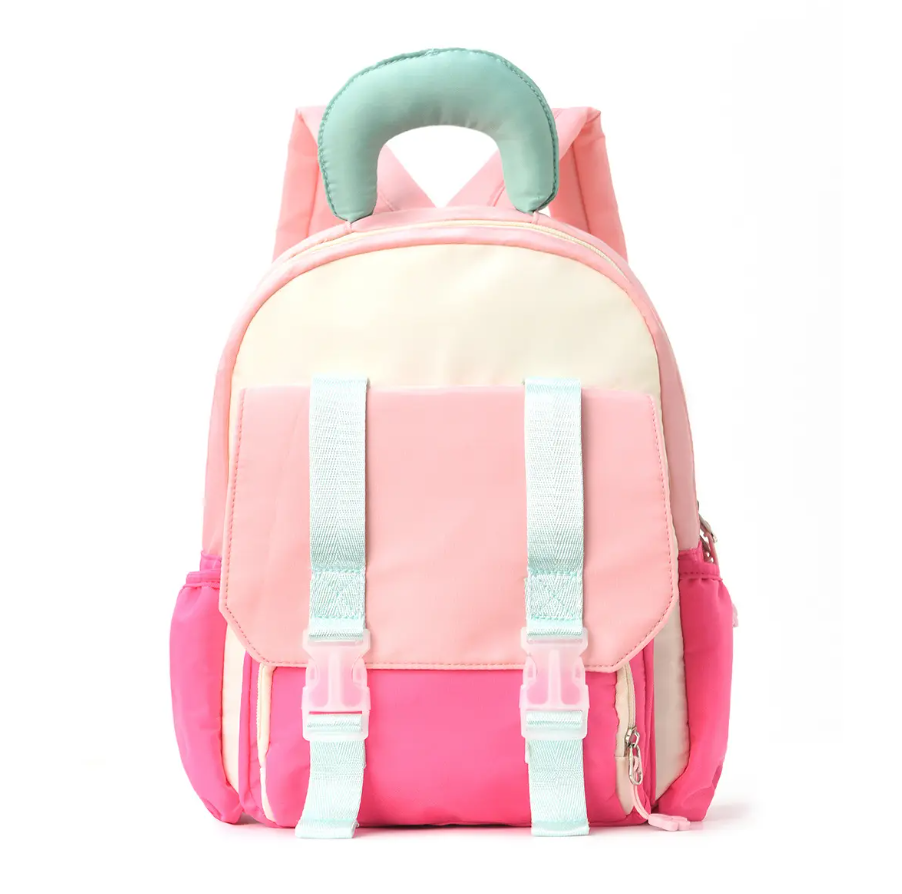
One Single Point of Contact Eliminates the Communication Chaos
Ordering ten thousand full-size backpacks is not a simple shopping list task. A backpack splits into the main fabric body, webbing straps, foam padding, zippers, buckles, linings, and often custom embroidery or screen printed logos. When a brand splits this order across a cutting and sewing workshop, a separate hardware supplier, and a third party printing house, three different contact windows emerge, each with their own lead times and revision limits. A delay at the hardware supplier stalls the sewing line. A miscommunication about Pantone shades between the printer and the sewer turns into a shipment of backpacks with logo colors that do not match the brand's style guide. A full-service factory collapses all these touchpoints into a single project manager who speaks the brand's language, tracks every component internally, and delivers a unified production timeline. That single point of accountability alone prevents most of the coordination failures that plague multi-vendor supply chains.
Material Knowledge That Protects Your Product and Your Brand
A backpack is only as reliable as its weakest seam, and a full-service factory understands those seams down to the thread gauge. When procuring large volumes, material decisions carry long term consequences. The factory's in-house team knows that a 600D polyester with a PU backing will resist light rain but delaminate after two seasons of heavy use if the coating weight is skimped. They select zipper tapes that have passed salt spray corrosion tests so the sliders do not seize up in coastal climates. They check the tensile strength of webbing so shoulder straps do not tear away under a load that a student or hiker would reasonably carry. These choices are not guesses. They are based on internal testing protocols aligned to benchmarks like ASTM D5034 for fabric breaking strength or BS EN 1672 for zipper durability. Without this depth of material science inside the factory, a brand ends up learning about those failures through customer returns.
A Real Order Nightmare: When Cutting, Sewing, and Trimming Factories Blame Each Other
A friend who runs a school bag brand once shared a cautionary tale. He had sourced full-size backpacks by separately contracting a cutting and sewing unit, a zipper supplier, and a screen printing shop to save a quoted twenty percent per unit. The first red flag came when the zipper supplier delivered three weeks late with a color that was noticeably off tone. The sewing unit refused to halt the line and used them anyway. When the backpacks arrived at his warehouse, the prints were peeling on roughly two hundred units. The printer blamed the fabric coating for poor adhesion, the fabric vendor blamed the printer for using the wrong ink system, and the sewing unit stayed silent. With no single party owning the final product, my friend absorbed the entire financial hit, lost a crucial back-to-school season, and spent months liquidating defective stock at a loss. That experience drove him permanently to full-service manufacturing.
What Supply Chain Experts and Industry Analysts Say About Vertical Integration
Management consulting firm McKinsey has noted in its operations practice research that vertically integrated production models in consumer goods reduce lead time variability by thirty to fifty percent compared to fragmented supply chains. For a volume full-size backpack order, that variability directly affects whether a brand catches the back-to-school window in August or a holiday gifting peak in November. On the practical side, veteran sourcing agents who scout factories for North American and European backpack labels consistently prioritize facilities that demonstrate internal control over pattern making, cutting, sewing, and finishing. Their reasoning is simple: when quality inspection finds a defect in the sewing, a fragmented chain triggers a blame loop; an integrated factory simply reworks the piece and keeps the shipment on track. This operational resilience is not a theoretical preference. It shows up in the audit checklists of major retail buyers.
The Hidden Cost Savings That Go Beyond the Unit Price
Comparing only the quoted price per bag is a dangerous oversimplification. A multi-vendor setup comes with hidden line items: more frequent quality inspection trips, express shipping for late components, legal costs to resolve non-performance claims, and the time a brand's own team burns coordinating between suppliers. A full-service factory consolidates these costs into a predictable number. Beyond savings, there is also speed. An integrated production line can overlap sample approval with hardware procurement, trimming weeks off the total development cycle. When a backpack hits the market two weeks earlier, those two weeks of additional sell-through at full margin can easily outweigh any marginal difference in the quoted unit price. This total cost of ownership view is what separates mature brands from those learning expensive lessons on their first container order.
From Concept Sketch to Palletized Shipment: The Manufacturing Muscle That Delivers
Turning a backpack sketch into forty thousand identical, retail-ready units is an industrial engineering challenge. It requires pattern makers who understand how fabric stretch affects bag silhouette, cutting tables that maximize material yield without compromising panel alignment, and assembly lines that maintain consistent stitch density across thousands of pieces. Once the bags are assembled, they must pass final random inspection against AQL standards, be tagged with compliance labels, and be packed into export cartons that protect them through ocean freight. This kind of end-to-end capability is exactly what brands tap into when they partner with a manufacturer like Tongze. By integrating design support, material procurement, production, and logistics coordination, Tongze allows volume buyers to scale their backpack programs without stitching together a fragile network of subcontractors. The result is a product that arrives on spec, on time, and ready to sell.
Table of Contents
- One Single Point of Contact Eliminates the Communication Chaos
- Material Knowledge That Protects Your Product and Your Brand
- A Real Order Nightmare: When Cutting, Sewing, and Trimming Factories Blame Each Other
- What Supply Chain Experts and Industry Analysts Say About Vertical Integration
- The Hidden Cost Savings That Go Beyond the Unit Price
- From Concept Sketch to Palletized Shipment: The Manufacturing Muscle That Delivers