 EN
EN

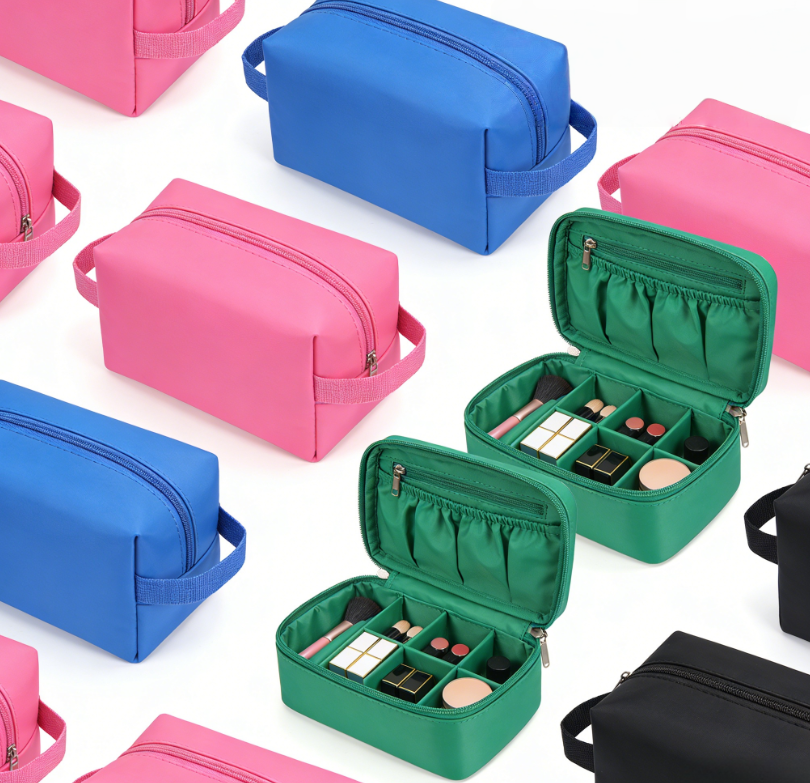
The Disconnect That Derails Custom Projects
A few years ago, a friend of mine launched a small beauty brand. She had a gorgeous vision for a custom cosmetic bag: a particular shade of blush pink, a specific waterproof lining, and gold zippers that felt substantial. She hired a freelance designer who produced stunning sketches. Then she sent those sketches to a factory overseas. What arrived months later looked like a distant cousin of her design. The pink was off, the lining puckered, and the gold zipper snagged constantly. Nobody had thought about whether the fabric could hold that color after heat sublimation. Nobody tested the zipper tape against the lining thickness. The designer did not understand production constraints, and the factory just built what the spec sheet described without flagging the problems. That experience is painfully common. When design, research and development, and manufacturing operate in separate silos, even the simplest custom cosmetic bag becomes a game of broken telephone with expensive consequences.
Design Without Manufacturing Knowledge Creates Fragile Ideas
A sketch is not a product. It is a wish. Cosmetic bags face specific physical demands that fashion sketches rarely address. Makeup spills happen constantly. Liquid foundation, loose powder, and oil based products leak, stain, and seep into seams. A designer who has never walked a factory floor might specify a light colored interior lining that looks elegant but shows every smudge after one week of use. They might choose a zipper that looks sleek but lacks the corrosion resistance needed for a humid bathroom environment. When design and manufacturing sit together under one operational roof, these conversations happen before a single prototype exists. The pattern maker can point out that a curved seam the designer drew will pucker unless the fabric has at least five percent spandex content. The materials specialist can suggest an antimicrobial lining that stays clean longer without changing the visual aesthetic. This practical collaboration transforms a concept from something that merely looks good on paper into something that performs in the real world.
R&D Bridges the Gap Between Concept and Production
The research and development phase is where assumptions get tested and materials earn their place. Cosmetic bags are small, but they contain multitudes of technical challenges. Waterproofing is a classic example. Many brands want to claim their bags are waterproof, but true waterproofing requires more than a spray coating that washes off. It requires seam sealing tape applied under heat, or radio frequency welded seams that bond the fabric at a molecular level. R&D determines which method works for the specific materials in your bag. Abrasion resistance matters too. A cosmetic bag tossed into a purse with keys and sunglasses will rub against hard objects thousands of times. R&D testing simulates that wear cycle so the printed pattern does not fade after two months. Zipper strength testing measures how many open and close cycles the zipper survives before the teeth misalign. These are not academic exercises. They are the gatekeepers that prevent a beautiful bag from becoming a return statistic. A manufacturer that integrates R&D internally can run these tests continuously and feed the data directly back to both designers and production line managers.
Production Integration Protects Timelines and Quality
The most beautiful prototype in the world means nothing if the production line cannot replicate it consistently. I have seen brands approve a perfect sample, only to receive bulk production that differs in subtle but deal breaking ways. The stitching is slightly looser. The fabric batch has a different hand feel. The zipper brand was substituted because procurement found a cheaper option. When manufacturing is integrated with design and R&D, these gaps close. The same quality control team that inspected the prototype also sets the acceptance standards for mass production. Raw material batches get checked against the R&D benchmark before cutting begins. Production line workers receive direct feedback from the design team about what aesthetic details matter most. This integration is especially critical for cosmetic bags because small defects are highly visible. A crooked topstitch on a backpack might go unnoticed. A crooked topstitch on a small makeup pouch catches the eye immediately because the product sits close to the user's face during daily use. Integrated manufacturing means the people who care about those details have authority over the people sewing them.
The Business Case for a Single Partner
From a commercial perspective, splitting design, development, and production across multiple vendors creates friction at every handoff. Each transfer brings communication delays, markup costs, and accountability gaps. If the final product disappoints, the factory blames the design file, the designer blames the factory execution, and the brand owner absorbs the loss. A fully integrated partner collapses that chain. Timelines compress because sample iterations happen in days rather than weeks. Costs stabilize because there are no surprise mold fees or material upcharges added by a middleman. Intellectual property stays more secure because design files, material recipes, and construction methods never leave the same building. For a beauty brand planning a cosmetic bag launch, this is not just about convenience. It is about protecting the brand reputation that took years to build. A bag that matches the vision, holds up to daily use, and ships on time reinforces every other product in the line. A bag that fails on any of those fronts becomes a drag on the entire brand.
Tongze Delivers Integrated Excellence From Concept to Container
Tongze has spent over twenty years building exactly this integrated model within the bag and luggage industry. Operating from two major production bases in Yiwu, Tongze brings original design, materials R&D, manufacturing, and quality control into one uninterrupted workflow. When a beauty brand approaches Tongze with a cosmetic bag concept, the conversation does not split into multiple handoffs. The design team sketches alongside engineers who understand zipper mechanics and fabric behavior. The R&D team tests material combinations and simulates real world use conditions before a sample ever reaches the brand's hands. The production floor uses the same calibrated equipment that built the approved prototype, so consistency from first piece to last piece is a measured outcome, not a wish. Tongze offers both OEM and ODM services, which means clients can bring fully formed designs or lean on Tongze's design team to develop original concepts. This integration accelerates time to market and eliminates the gaps that drain budgets and delay launches. For any brand serious about creating a cosmetic bag that looks beautiful, performs reliably, and arrives on schedule, an integrated manufacturing partner like Tongze is not just a supplier. It is a strategic advantage.
Table of Contents
- The Disconnect That Derails Custom Projects
- Design Without Manufacturing Knowledge Creates Fragile Ideas
- R&D Bridges the Gap Between Concept and Production
- Production Integration Protects Timelines and Quality
- The Business Case for a Single Partner
- Tongze Delivers Integrated Excellence From Concept to Container