 EN

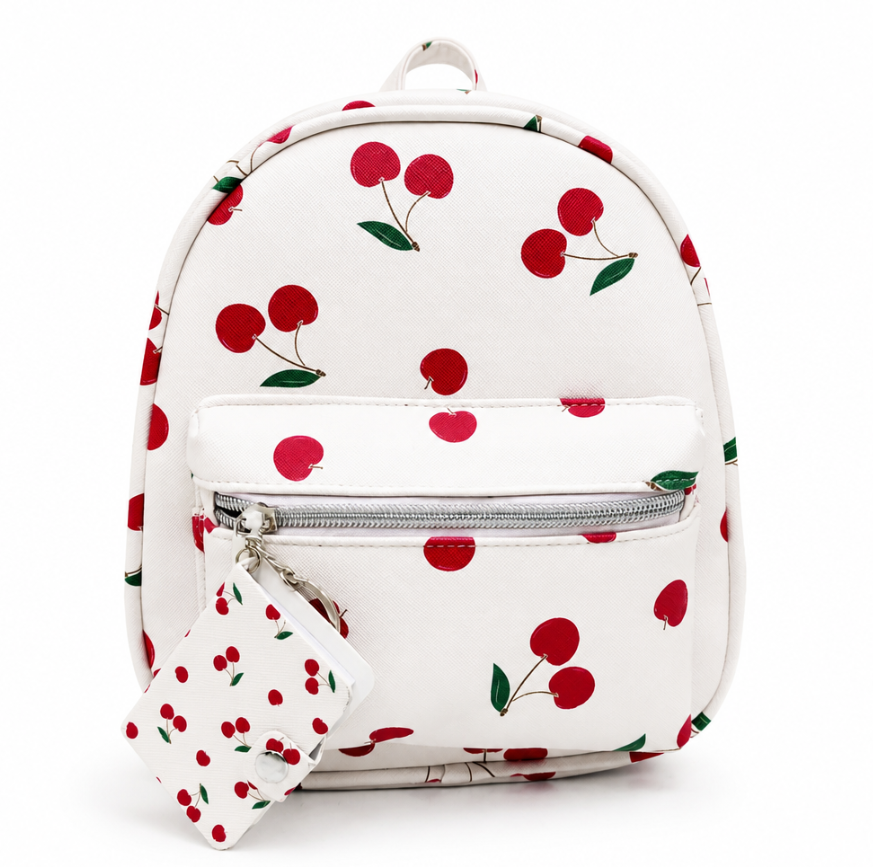
How a Mini Backpack Pattern Becomes a Manufacturing Decision
A mini backpack for kids looks simple on a shelf. In production, every pattern choice becomes a chain of decisions: fabric, ink, stitching, hardware, labeling, and test reports. A favorite cartoon hero or family pet can sell the design, yet the same artwork can fail colorfastness, peeling, or child safety checks if the factory treats it as a last-minute graphic. The smart move is to start with the end use, then work backward to the decoration method.
Kids drag packs across school floors, stuff them with water bottles, and leave them in hot cars. That reality matters more than a pretty mockup. A pattern that survives one summer of washing and playground abuse usually comes from a controlled sample process, not a rush job.
Choose Patterns That Fit the Age and the Use Case
Age range changes everything. A toddler mini backpack may need soft edges, larger zipper pulls, and simple high-contrast shapes. A grade-schooler might want detailed character scenes, name personalization, and reflective accents for evening safety. Preschool and early elementary patterns tend to work best when the main motif is large, centered, and readable from a few feet away. Tiny repeating prints can look busy on a small panel and often disappear inside seams.
-
Toddler: bold animals, vehicles, fruit, simple faces.
-
Ages 5 to 7: cartoon teams, space, dinosaurs, sports, fantasy.
-
Ages 8 to 10: hobby themes, graphic badges, initials, patches.
-
Tween: muted colors, small logos, character collabs with subtle placement.
The pattern also has to respect panel size. A mini backpack has limited real estate. Front pockets, side mesh, and straps cut into the artwork. A designer who ignores seam lines may create a pattern that looks broken after assembly. Ask for a die-line template before final art approval.
Match Decoration Methods to Pattern Complexity
Not every pattern belongs on every fabric. Cotton canvas, polyester oxford, nylon, and recycled PET each react differently to ink and heat. A method that looks sharp on a flat tote can crack on a curved backpack pocket. The table below gives a practical starting point for common kids backpack decoration options.
| Method | Best for | Detail level | Wash durability | Typical watch point |
|---|---|---|---|---|
| Screen print | Bold, limited-color patterns | Medium | Good on flat panels | Each color adds a screen and setup |
| Digital transfer | Full-color art, small runs | High | Fair to good | Heat and pressure control |
| DTG direct print | Cotton-rich fabric, soft hand feel | High | Fair on blends | Pretreatment and fabric consistency |
| Embroidery | Logos, names, simple icons | Low to medium | Excellent | Stitch count and backing weight |
| Silicone patch | 3D motifs, character badges | Medium | Very good | Adhesive and stitching must match |
| Woven label | Small brand marks, care info | High for tiny text | Excellent | Color matching across lots |
For a mini backpack with a favorite pattern, digital transfer or DTG can handle gradients and many colors. Screen printing still wins on cost per piece for a two-color dinosaur or simple smiley face at higher volume. Embroidery is strong for names and small logos, but it cannot reproduce fine watercolor details. Mixing methods is common: screen print the main pattern, embroider the child's name, and add a woven label inside.
Test the Pattern Before the Purchase Order
A sample is not just a photo prop. It is a risk check. One European buyer once approved a cute fox print for a preschool mini backpack. The artwork looked perfect on a flat swatch. After assembly, the front pocket curve caused the print to stretch. A wash test then showed color loss at the fold. The factory switched to a lower-temperature transfer film, adjusted the platen, and ran a pre-production wash panel. The final print passed the buyer's colorfastness requirement at a 4 rating on the ISO 105-C06 scale after three cycles. That kind of fix costs far less before bulk than after cartons are sealed.
A useful sample protocol includes:
-
Print on the actual fabric, not a substitute.
-
Test after cutting, sewing, and turning the bag.
-
Wash according to the target market's care label.
-
Check rub fastness, peel strength, and sharp edges.
-
Photograph under daylight and store the approved swatch.
Keep Compliance in the Pattern Conversation
Patterns are fun. Compliance is not optional. For the US market, children's products need to meet CPSIA rules, including lead and phthalate limits, and tracking labels. For Europe, REACH and EN 71 apply to certain chemical and mechanical risks. The American Academy of Pediatrics has long advised that a loaded backpack should stay around 10% to 15% of a child's body weight, which puts extra pressure on hardware, straps, and stitching. A cute pattern cannot distract from a weak seam or a zipper pull that breaks into small parts.
Ink chemistry also matters. Phthalate-free plastisol, water-based inks, and tested transfer films reduce risk. Metal zippers, snaps, and decorative charms should come from a supplier with test reports. Even the thread color can matter when a brand wants a matching pattern across multiple SKUs.
Move from One Favorite Pattern to a Repeatable Program
The first custom mini backpack is a prototype. The real value comes when the same pattern family can scale across sizes, colors, and seasons without re-learning every step. That means approved lab dips, sealed samples, clear artwork files, and a bill of materials that lists every ink, film, and trim. Retail programs also need consistent packaging, barcode placement, and carton marks. A pattern that lives only in a designer's folder will cause delays at the factory.
For brands that want a Disney-approved, BSCI-audited supply chain with Walmart and Target vendor experience, Backpack Source Factory offers a grounded path from pattern concept to compliant production. The team's 20-year focus on kids backpacks, USA and EU testing, and custom decoration makes the tricky parts less risky.