 EN

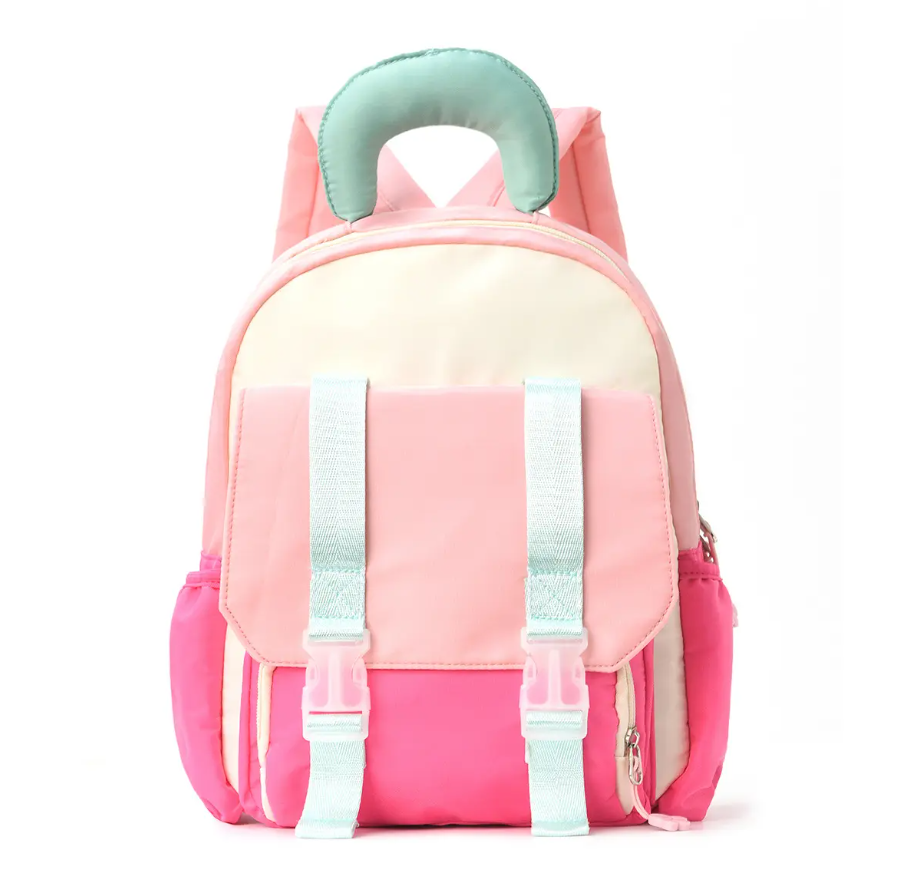
Why Backpack Size Matters More Than Style for School
A full size backpack is not just a bigger version of a mini pack. For students, it is a daily load carrier that affects posture, comfort, and concentration. A bag that is too small forces books into a cramped space, which leads to bulging seams and uneven weight. A bag that is too large hangs low, pulls on the shoulders, and may not fit a school locker. The right size supports the spine and keeps the load close to the body. Style matters, but fit matters more. Parents and buyers often focus on color and brand. A better approach starts with the student torso length, daily load, and school routine. That is where a full size backpack earns its place.
Measuring Torso Length and Matching It to Pack Size
Torso length, not height, is the best guide for backpack fit. Measure from the bony bump at the base of the neck to the top of the hip bones. This distance decides the pack size. A torso of 15 to 17 inches usually fits a medium pack. A torso of 18 to 20 inches fits a large pack. Height alone can mislead because two students of the same height may have different torso lengths. The table below compares common school backpack sizes.
| Pack Size | Torso Length | Typical Capacity | Best For | Limits |
|---|---|---|---|---|
| Small | 14 to 16 in | 15 to 20 L | Early elementary | Few books, light load |
| Medium | 16 to 18 in | 20 to 28 L | Upper elementary, middle school | Moderate books, lunch |
| Large | 18 to 20 in | 28 to 35 L | High school, college | Heavy books, laptop |
| Extra large | 20 in plus | 35 L plus | Travel, overnight | May not fit lockers |
The table shows a tradeoff. A larger pack carries more but may overwhelm a smaller frame. A medium pack with good compression straps often fits better than a large pack with a loose shell.
Capacity, Compartments, and Daily School Load
Capacity should match the daily load, not the maximum possible load. A student who carries a laptop, two notebooks, a lunch box, and a water bottle needs about 25 to 30 liters. A student with a few folders and a pencil case may need only 18 to 22 liters. Compartments matter as much as liters. A padded laptop sleeve keeps a device safe. A front organizer pocket holds pens, keys, and a phone. A side pocket for a water bottle should be deep enough to hold a full bottle without tipping. Too many pockets add weight and cost. Too few pockets force items into one large space, which makes finding things slow and can damage books. A good layout puts heavy items close to the back and light items toward the front. That simple rule improves comfort during a long walk to school.
Straps, Padding, and Weight Distribution for Growing Bodies
Straps and padding decide how a load feels after twenty minutes. Wide, padded shoulder straps spread pressure across the collarbone and chest. Narrow straps dig in and can cause numbness. A padded back panel with airflow channels reduces sweat and keeps the pack stable. A sternum strap connects the two shoulder straps and prevents them from sliding outward. A hip belt transfers some weight to the hips, which is useful for heavy loads. Compression straps on the sides keep the load from shifting. Students should wear the pack with the bottom resting near the top of the hips, not hanging low. A pack that hangs low pulls the shoulders backward and can cause lower back pain. Adjusting the straps takes a minute and makes a real difference.
Materials, Safety, and Compliance for School Use
School backpacks face rough treatment. They get dropped, dragged, and stuffed into lockers. Fabric choice affects durability. Polyester and nylon with a denier above 400 resist abrasion and tearing. Reinforced bottom panels add years of service. Zippers should have sturdy sliders and smooth pulls. Stitching should be tight with bar tacks at stress points. Safety and compliance are equally important. In the United States, CPSIA limits lead, phthalates, and other substances in children products. In Europe, REACH and EN 71 cover chemical safety and mechanical hazards. A responsible factory tests materials, zippers, and small parts. These tests are not optional for products sold to families. Buyers should ask for test reports and audit documents before placing a large order.
A Real Sourcing Case and Working with BSF
A European school brand once ordered a run of full size backpacks with a decorative zipper pull. Testing found the pull could detach under force, which created a choking risk for younger students. The factory switched to a reinforced pull and added a pull test to the quality plan. The revised bags passed EN 71 and shipped on schedule. The lesson is that compliance starts at design, not at final inspection. BSF, short for Backpack Source Factory, has spent two decades producing custom backpacks for global markets. The factory holds BSCI audit status and Disney approval, along with Walmart ID and Target ID. That background means familiarity with CPSIA, REACH, and EN 71 requirements. BSF offers custom designs, logos, and functional features for school backpacks. For brands that need a reliable manufacturing partner, BSF provides compliance support and production capacity. A full size backpack that fits well and lasts is the result of good design, good materials, and a factory that understands the rules. BSF works with clients from concept to delivery, helping match the bag to the student and the school day.
Table of Contents
- Why Backpack Size Matters More Than Style for School
- Measuring Torso Length and Matching It to Pack Size
- Capacity, Compartments, and Daily School Load
- Straps, Padding, and Weight Distribution for Growing Bodies
- Materials, Safety, and Compliance for School Use
- A Real Sourcing Case and Working with BSF