 EN
EN

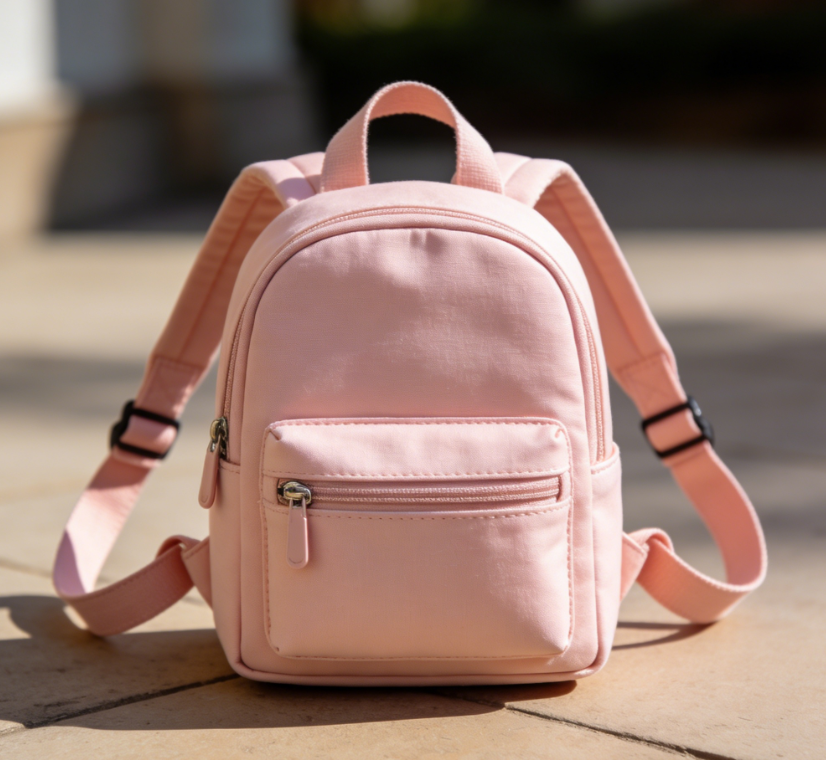
A child’s body is still growing, so the things they carry every day really matter. A mini backpack might look small and harmless, but if it is too heavy or poorly designed, it can cause real problems. Kids already have enough to worry about with schoolwork and activities. Their shoulders should not be one of those worries. The good news is that a lightweight mini backpack makes a huge difference. When a bag does not weigh much to begin with, the child barely notices it is there. They can move freely, run around at recess, and climb on the playground without feeling like something is dragging them down. Parents often do not realize how much a heavy bag affects a child until they switch to a lighter option. Once they do, the change is obvious. No more complaints about sore shoulders at the end of the day.
How Wide Padded Straps Spread the Load
The straps on a mini backpack are where all the weight sits. If those straps are thin and hard, they dig right into a child‘s shoulders. That hurts. Narrow straps also restrict blood flow, which can lead to numbness or tingling in the arms and hands. Wide padded shoulder straps solve this problem. They spread the weight out over a larger area, so no single spot takes all the pressure. Some designs even use S shaped straps that curve naturally around the shoulders. That shape keeps the bag from slipping off and helps the child stand up straight instead of hunching forward. Breathable mesh padding is another nice touch because it stops the straps from getting sweaty and uncomfortable. A lightweight mini backpack with good straps feels almost like wearing a soft vest instead of a bag. The child can focus on whatever they are doing, not on how much their shoulders hurt.
Why the Back Panel Matters More Than You Think
The part of a mini backpack that rests against the child‘s back is easy to overlook, but it plays a big role in comfort. A flat, hard back panel does nothing to cushion the spine. It also does nothing to stop sharp objects like pencil cases or water bottles from poking through. A padded back panel fixes both issues. It adds a layer of cushioning that protects the child’s back from whatever is inside the bag. It also helps keep the load stable. When a bag shifts around while a kid is walking or running, that movement puts extra strain on the shoulders and spine. A well padded back panel holds the bag in place so it moves with the child instead of against them. Some designs even include ventilation channels or air mesh fabric. That might sound fancy, but it just means the child‘s back stays cooler and dryer. A lightweight mini backpack with a good back panel and breathable straps is a game changer for daily comfort.
Chest Clips and Waist Straps for Extra Stability
A lot of people do not know that chest clips and waist straps are not just for hikers. They work great for kids too. These simple features take some of the weight off the shoulders and transfer it to the stronger parts of the body. A chest clip pulls the shoulder straps together so they do not slide off. That is especially helpful for smaller children who have narrow shoulders. A waist strap does even more. It anchors the bottom of the mini backpack to the child’s hips, which stops the bag from bouncing around when they move. When a bag bounces, the child has to use extra energy just to keep it steady. That gets tiring fast. With a chest clip and a waist strap, the bag stays put. The child can run, jump, and play without constantly adjusting their straps. These features are common on hiking backpacks for good reason, and they work just as well on a lightweight mini backpack for everyday use.
What the Experts Say About Backpack Weight
Doctors and physical therapists have been studying backpack safety for years, and the numbers are pretty clear. A filled backpack should weigh no more than 10 to 15 percent of a child‘s body weight. For a kid who weighs 40 pounds, that means the bag should top out at around 4 to 6 pounds. But here is the tricky part. That limit includes everything inside the bag, not just the bag itself. So if a mini backpack is already heavy when it is empty, there is not much room left for books, snacks, and water bottles. That is why starting with a lightweight mini backpack is so important. A study found that more than half of schoolchildren reported back, shoulder, neck, or leg pain related to their backpacks. Another survey showed that children carrying backpacks heavier than 10 percent of their body weight were much more likely to have shoulder, neck, or back pain. The weight itself is not the only factor, but it is a big one. A lightweight mini backpack gives parents a head start on keeping their kids comfortable.
Keeping the Load Balanced and Low
How a mini backpack is packed matters just as much as how much it weighs. Heavier items like a water bottle or a tablet should go close to the child‘s back. Lighter things like snacks or a jacket can go in the front pockets. This keeps the center of gravity near the body instead of pulling backward. A bag that pulls backward makes the child lean forward to compensate, which strains the neck and shoulders over time. Using all the compartments also helps distribute the weight evenly so nothing shifts around. Parents should also remind kids to use both shoulder straps every single time. Slinging the bag over one shoulder might look cool, but it throws the whole body off balance. One side carries all the weight while the other side does nothing. That uneven load can lead to muscle strain and long term posture problems. A lightweight mini backpack is most effective when it is packed smartly and worn correctly.
Less Weight Means a Happier Day
At the end of the day, a child who is not weighed down is a child who has more energy for the things that matter. Learning, playing, and just being a kid should not involve sore shoulders or a tired back. A lightweight mini backpack takes the physical burden off so the child can focus on what is in front of them. Parents notice the difference too. Mornings go more smoothly when there is no fight over putting on the backpack. Trips to the park or the zoo are more enjoyable when the child can carry their own things without complaining every five minutes. It is one of those small changes that has a surprisingly big impact on daily life. From the first day of school to weekend adventures, a lightweight mini backpack keeps kids comfortable, active, and ready for whatever comes next.