 EN
EN

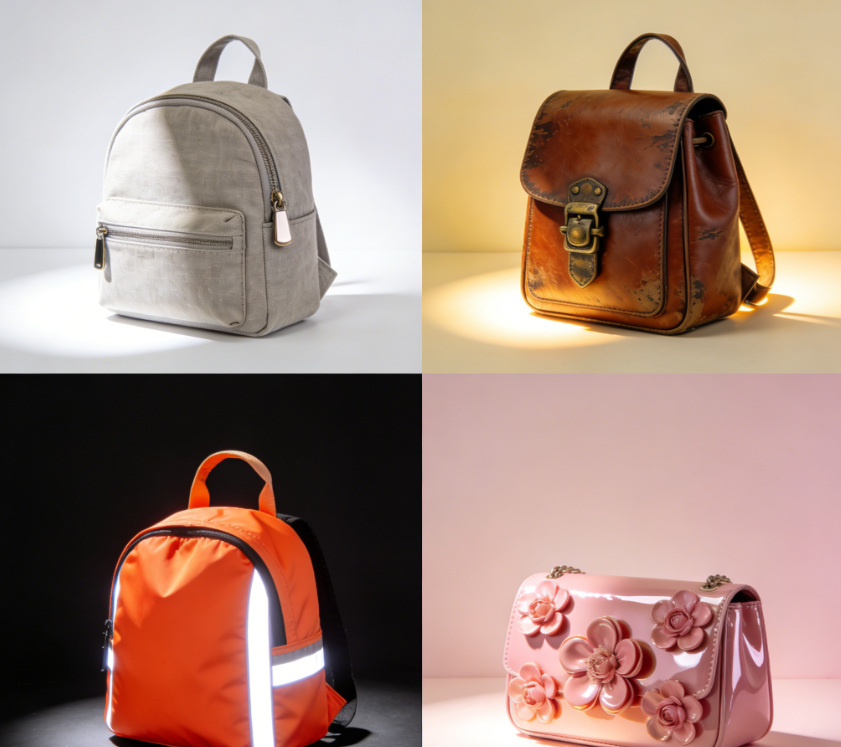
Nylon is a fabric that consistently ranks high on the charts. Its strength, light weight, and strong resistance to tearing make it one of the most sought after materials for a mini backpack. When you compare it to polyester, nylon wins on durability and tear resistance. That is especially important for children's bags, which always get dragged around, stuffed full, and crammed with books. The fabric also offers good protection against the elements. A light drizzle or a spilled drink does not stand a chance because nylon absorbs moisture relatively slowly. Parents no longer have to worry about soggy snacks or ruined homework. Another strong point of nylon is its variety. Ripstop nylon has a special weave that resists tearing, and Cordura nylon is even tougher, often used for military grade gear. The only real downsides are that nylon bags can be a bit heavier than some alternatives, and they take longer to dry when completely soaked. Beyond that, nylon does not have many drawbacks for everyday use.
Polyester as a More Affordable Option
Polyester is another common fabric found on many mini backpacks. It is more economical than nylon, which makes it a popular choice for families on a budget. Polyester resists UV rays well, so it will not fade easily. It also does not hold onto moisture, which means it dries quickly. The trade off is that polyester is not as strong as nylon. It is more likely to show wear and tear under heavy stress. For a mini backpack that gets light to moderate use, polyester works just fine. But for a kid who is known for being rough on their belongings, nylon is the better long term investment.
Neoprene the Flexible Wonder
Wetsuits use neoprene, and the same material works great for mini backpacks. It is soft, stretchy, and pretty durable. A mini backpack made from neoprene often weighs less than a pound when empty, making it extremely lightweight. It resists water and tearing, so it is a fantastic choice for kids who love playing in water or tend to get messy. Neoprene feels soft against the skin, so it stays comfortable even in summer when children wear short sleeves. Some parents worry that soft materials might not hold up well, but neoprene is surprisingly tough for everyday use. It is a great option for toddlers and preschoolers who need a mini backpack that will not hurt their shoulders.
Oxford Fabric the Woven Workhorse
Oxford fabric is a woven material made from nylon or polyester threads. It is slightly heavier than standard polyester, but still lightweight and breathable. The diamond pattern woven into the surface improves breathability while also making the fabric more resistant to abrasion. That is especially useful for a bag that gets dragged across rough surfaces. Another benefit is how easily Oxford fabric cleans up. The diamond weave creates small grooves that catch stains and dirt instead of letting them soak in. Most messes can be wiped away with a damp cloth. Oxford fabric can also be made more water resistant by adding a waterproof coating. The thickness of Oxford fabric is measured in denier. Higher denier numbers mean thicker, stronger fabric. For a mini backpack, something around 600D usually strikes a good balance between durability and weight.
Things to Consider When Choosing Materials
Picking the right material for a mini backpack is just the beginning. How the bag is put together matters just as much. Strong zippers from trusted brands like YKK are a good sign that the bag will last. Reinforced stitching at the straps and handles adds extra durability where the bag experiences the most stress. Padded shoulder straps and a padded back panel make a huge difference in comfort, especially for long days. Breathable mesh on the back panel helps wick away sweat, which keeps the child more comfortable. Some parents also look for water resistant coatings or eco friendly materials made from recycled fabrics. The best mini backpacks combine good materials with thoughtful construction.
How to Check the Weight of a Mini Backpack
Most doctors recommend that a child's filled backpack should weigh no more than 10 to 15 percent of their body weight. For a 50 pound child, that means the total weight should stay under about 7 or 8 pounds. If a mini backpack already weighs 2 pounds when empty, there is not much room left for books, a water bottle, and snacks. That is why choosing a lightweight material from the start is so important. Neoprene and lighter weight nylons are highly recommended because they keep the base weight low. Materials like thick leather or heavy canvas might look nice, but they can be too heavy for a small child to carry comfortably. Always check the empty weight before buying a mini backpack, and remember that every ounce counts when it comes to little shoulders.