 EN
EN

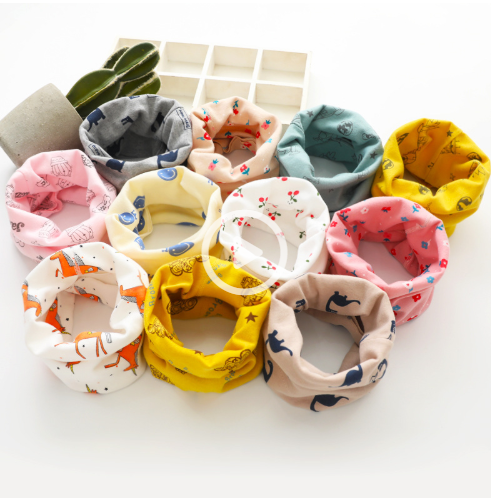
The Coordination Problem With Split Sourcing
When an earmuff scarf set is sourced from two different factories, the buyer takes on a coordination job that never really ends. The scarf comes from one supplier with its own lead time, minimum order quantity, and color matching process. The earmuffs come from another with a different set of constraints. The two have to arrive at the same warehouse at roughly the same time, in colors that actually match, and in quantities that line up. That sounds manageable on paper. In practice, it is where a lot of orders go sideways. One factory runs late, the colors drift apart, or the quantities do not match because one supplier had a production issue. Sourcing the full set from one factory removes most of these failure points before they can happen.
Consistent Color Matching Across Both Components
Color matching is one of the hardest parts of split sourcing, and it is where the problems show up most visibly. A scarf dyed at one facility and earmuffs knit at another will almost never match perfectly, because dye lots, fiber composition, and finishing processes differ. The result is a set that looks slightly off, which customers notice immediately even if they cannot explain why. When both components come from the same factory, the color specification is controlled at one point. The same dye lot can be used, the same finishing standard applied, and the same quality control team can check both items against a single reference. That consistency is not just aesthetic. It reduces returns and complaints, because mismatched sets are one of the most common reasons customers send seasonal accessories back.
One Production Schedule Instead of Two
Lead time is another area where a single factory simplifies things. With split sourcing, the buyer has to manage two production schedules, two shipping timelines, and two sets of potential delays. If one component is ready and the other is not, the finished sets cannot ship. That means either holding inventory of the ready component while waiting, or delaying the whole order. Neither is good. A single factory runs one schedule for the full set, so the scarf and earmuffs are produced to finish at the same time. Shipments go out complete rather than in partial lots. For buyers working to a seasonal deadline, that single timeline is worth a lot, because seasonal accessories have a hard cutoff. Miss the window and the inventory sits until next year.
Cost Structure and Order Efficiency
There is a cost argument for single factory sourcing that goes beyond the unit price. A few factors tend to work in the buyer's favor.
-
Consolidated shipping, since one container or one shipment covers the full set.
-
Lower administrative cost, because there is one supplier to manage, one set of documents, and one payment process.
-
Better volume leverage, since the combined order for scarf and earmuffs may reach a higher quantity tier than either item alone.
-
Reduced safety stock, because the risk of component mismatch is lower.
-
Fewer quality disputes, since there is one point of accountability.
The table below compares the two approaches across the factors that matter most.
| Factor | Split Sourcing | Single Factory Sourcing |
|---|---|---|
| Color consistency | Difficult to guarantee | Controlled at one point |
| Lead time coordination | Two schedules to manage | One schedule |
| Shipping cost | Two shipments or consolidation | One shipment |
| Administrative load | Higher | Lower |
| Volume leverage | Separate tiers | Combined tier |
| Accountability | Split between suppliers | Single point |
The pattern is consistent. Single factory sourcing trades a small amount of supplier flexibility for a large reduction in coordination risk.
Quality Control That Covers the Whole Set
Quality control is more effective when one team is responsible for the full product. With split sourcing, each factory inspects only its own component. Neither sees the finished set as the customer will. Problems that only appear when the scarf and earmuffs are worn together, such as color mismatch or inconsistent sizing, can slip through. A single factory can inspect the set as a set. That means checking the color under the same lighting, confirming the dimensions work together, and testing the packaging as it will actually ship. For retail programs that require consistent presentation across thousands of units, that whole set perspective is essential.
A Case Where Single Sourcing Solved a Seasonal Problem
A retailer planning a winter accessory program had been sourcing scarves and earmuffs from two suppliers for three seasons. Each year, a portion of the sets came back as customer complaints about color mismatch. The retailer switched to a single factory for the full set and asked for a pre production sample of the complete set for approval. The sample review caught a slight shade difference between the scarf and the earmuff trim that would have been invisible on separate spec sheets. The factory adjusted the dye formulation before production. That season, mismatch complaints dropped to almost nothing. The fix was not complicated. It was simply that one factory could see the whole product and adjust accordingly.
Where Single Sourcing Has Limits
Single factory sourcing is not automatically the right answer for every program. If one factory does not have equal strength in both product categories, the buyer may get a better scarf or better earmuffs by splitting. Some factories specialize in knitwear but not in the plastics or hardware used in earmuffs, or vice versa. In those cases, split sourcing may still make sense, but it requires more active management of color and timing. The decision should be based on the factory's actual capability in both categories, not just the convenience of a single order. Honest assessment of capability matters more than the appeal of simplicity.
How an Experienced Factory Supports the Full Set
Sourcing a matching set from one factory works best when that factory has the range and the process control to handle both components well. The team behind Backpack Source Factory has been producing custom kids backpacks and related accessories for two decades, operating as a BSCI audited facility with Disney approval, Walmart ID, and Target ID. Experience with US and EU testing standards, including CPSIA, REACH, and EN 71, means compliance is handled across the full product rather than component by component. For buyers who need matching earmuff scarf sets produced to retail standards and delivered on a single schedule, that combination of range and compliance experience is what makes single sourcing practical.
Table of Contents
- The Coordination Problem With Split Sourcing
- Consistent Color Matching Across Both Components
- One Production Schedule Instead of Two
- Cost Structure and Order Efficiency
- Quality Control That Covers the Whole Set
- A Case Where Single Sourcing Solved a Seasonal Problem
- Where Single Sourcing Has Limits
- How an Experienced Factory Supports the Full Set