 EN
EN

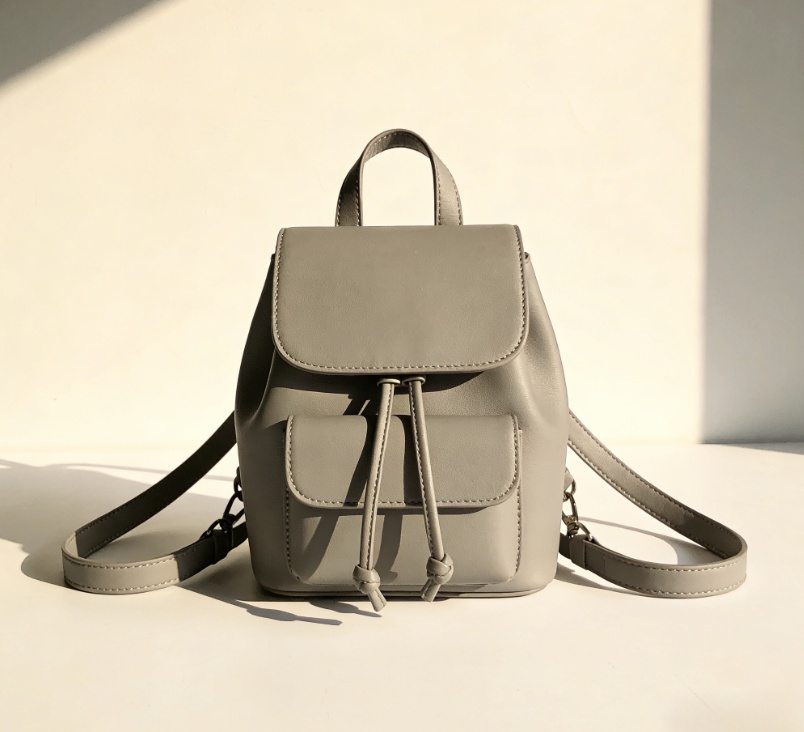
Shoulder pain does not have to be a consequence of carrying a full size backpack. Whether you are a student crossing campus, a commuter going to the office, or a traveler discovering a new city, packing the bag correctly makes all the difference. A badly loaded backpack causes painful neck, shoulder, and back issues. But when loaded correctly, even a heavy bag can feel manageable.
Quality backpacks help, but they are not enough if the weight is not distributed properly. Learning how to load your bag correctly protects your shoulders and spine. Let us talk about the practical skills that lighten the load and make any backpack more comfortable.
Always pack your heaviest items first
To optimize your packing strategy and keep your back from hurting, pack the heaviest items first so they sit against the back of your pack, rather than away from it. When items are pulled away from your back, they act like a lever that pulls you backward as you walk. Your back and shoulders have to work harder to counter that pull, and that extra effort leads to fatigue and pain.
Think of it like holding a child. Holding a small child against your body feels natural and easy. But holding the same child out in your arms is exhausting because your muscles have to constantly work to keep the weight in place. The same principle applies to your backpack. Keep the heaviest items as close to your back as possible so the center of gravity stays close to your body.
Use compartments to create a stable load
Backpacks are designed with multiple sections so the user can distribute the load evenly. If your bag has one giant pocket with no organization, everything shifts around as you move. That shifting forces your muscles to constantly adjust, which adds strain to your shoulders and back.
Take the time to ensure your load is well balanced and organized. Put large or heavy items in the main compartment against your back. Use the front pockets for lighter things like a charger or snacks. Pay attention to the side pockets as well. If you put a heavy water bottle in one side pocket and leave the other empty, the load becomes unbalanced. That imbalance can lead to poor posture and discomfort over time.
Maintain a balanced load
When one side of your backpack carries more weight than the other, your body naturally leans to compensate. That puts uneven stress on your shoulders and spine. You might not notice it at first, but after a while, you will feel it.
Try to center heavier items as much as possible. If you are carrying two water bottles, put one in each side pocket. If you have a bulky item that naturally sits to one side, balance it with something of similar weight on the other side. A balanced load keeps your body in a natural alignment and helps your shoulders share the work evenly.
Adjust your straps the right way
Even a perfectly packed bag will cause pain if the straps are not adjusted correctly. Start with the shoulder straps. They should be snug enough that the bag does not bounce when you walk, but not so tight that they dig into your shoulders. The bag should sit high on your back. A bag that hangs low pulls you backward and puts more strain on your shoulders.
If your bag has a sternum strap, use it. This strap crosses your chest and connects the two shoulder straps. It stabilizes the load, keeps the shoulder straps from slipping outward, and redistributes some of the weight across your chest instead of letting it all hang on your shoulders.
For larger backpacks, the hip belt is a game changer. If your bag has one, use it. The hip belt transfers a significant portion of the weight from your shoulders to your hips, which are much better equipped to carry heavy loads. When the hip belt is doing its job, you should feel noticeably less pressure on your shoulders.
Pack for the day, not the whole week
Shoulder pain is often caused simply by carrying too much. A full size backpack gives you plenty of room, but that does not mean you need to fill it completely. Every extra pound adds to the load on your shoulders.
If you are a student, you likely do not need every textbook every day. Check your schedule and take only what you need. If you are commuting, leave odds and ends at work. If you are traveling, pack for the most likely scenarios, not every possible one. Packing lighter makes the bag more comfortable, and when it is comfortable, your shoulders will thank you.
Put the bag on carefully
How you put your backpack on matters. Do not throw it over one shoulder. That is a quick way to strain your shoulder and neck. Instead, rest the bag on a table or bench, put both arms through the straps, and stand up smoothly. If the bag is heavy, you can rest it on your thigh while you get your arms through the straps. A controlled lift puts less stress on your body than a quick, jerky motion.
Avoid twisting your body as you swing the bag onto your back. That twisting motion combined with the weight can strain your lower back. Taking a few extra seconds to put the bag on properly helps prevent injury.
Take breaks and readjust
Even with perfect loading and adjustment, carrying a backpack for a long time can still cause muscle fatigue. If you are walking for an extended period, take short breaks. Set the bag down, stretch your shoulders, and let your muscles relax for a minute. When you put the bag back on, check your straps again. They may have loosened slightly or shifted during wear.
If you notice one shoulder starting to ache, it may mean your load has become unbalanced. Sometimes items shift during the day without you realizing it. A quick adjustment can make a big difference in how you feel.
Choose quality construction
The skills we have discussed work best with a backpack that is well made. Poor stitching, unreliable zippers, or thin, unpadded straps will cause problems no matter how carefully you pack. A good full size backpack should have padded shoulder straps, a supportive back panel, and for larger loads, a sternum strap and hip belt.
A quality bag enhances the packing techniques we have covered. Instead of working against you, it works with you to keep the load comfortable.
Conclusion
Shoulder pressure from a backpack is not something you have to accept. It is usually a sign that something is off, whether it is how you pack, how you adjust the straps, or simply how much you are carrying. By putting heavy items close to your back, balancing the load, using all your straps properly, and being mindful of what you really need, you can turn a heavy bag into something that feels surprisingly light.
A full size backpack gives you the space to carry everything you need. But the real skill is knowing how to fill that space in a way that works with your body, not against it. Once you get the loading right, you can say goodbye to shoulder pain.